
More reflections on building this academic English syllabus. I’m going to accelerate through them a bit in case you’re getting bored. So far we’ve had:
Part 1: mapping the skills coverage
Part 2: core vocab coverage
Part 3: subskills coverage
Part 4: unit overviews
Interlude: interlude (just answering some questions)
It reads like a slightly scatty order, but actually all the above has been useful groundwork – addressing curriculum requirements, shaping the core cross-curricular structure, etc. ‘Preparation for syllabus population’ I’ll call it, and there’s one more bit of pre-task creation prep that’s needed: a genre audit.
Learners build their knowledge of tons of genres across the curriculum. A purposeful academic English syllabus will give them exposure to a range of genres, provide opportunities to analyse these, understand language choices, interact with them, *create/replicate* some of them, etc.
Sticking with the ‘cross-curricular threads’ that I keep harping on about, text types are grouped by main function (inform, compare, recount, etc). When you hear ‘a range of text types’ there’s that tendency to think register first, and mode in particular – ‘let’s include an infographic, a letter to a teacher, a news article’, etc because that feels like ‘a range’. What we really need though (I guess) is a wide range of genres (i.e. social purposes), then a variety of registers demonstrated within those.
This is a snapshot of the basic audit, with ten core text ‘families’ there based mainly around function:
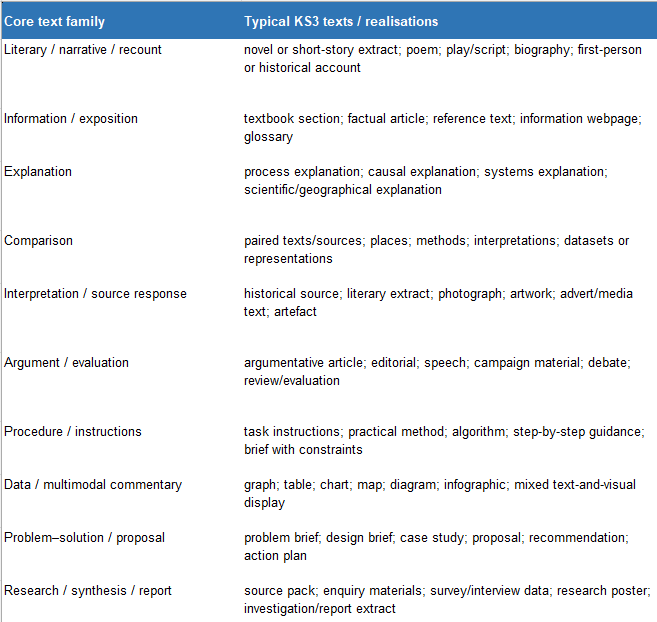
We synthesised this from the usual sources – curriculum frameworks, WIDA, etc. You know, the more you delve into WIDA, the better it seems. In some ways, at least.
AI gets proper eager to please at times and starts to add other info that is sometimes useful (below, quite useful)
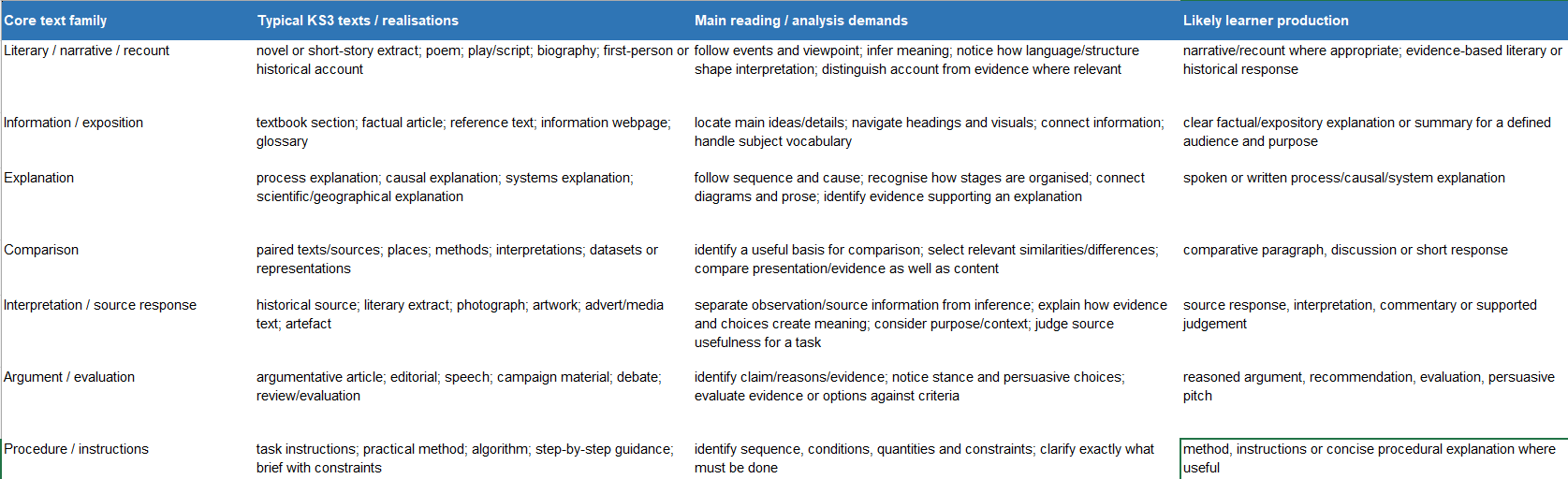
… and sometimes not, like when it’s going off on one with extra columns like this:
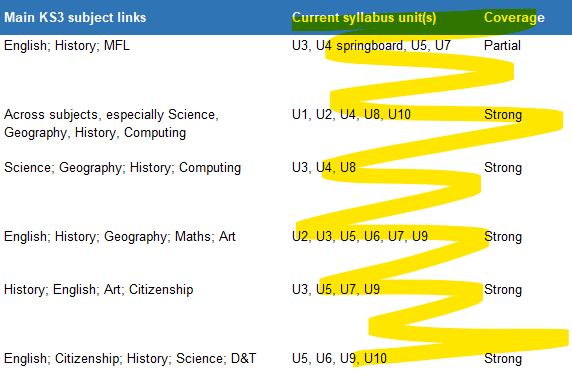
… preempting my genre coverage from the outset and I’m like ‘How do you know there’s partial coverage of that genre in those units?! All you’ve got so far is the unit overview. Who’s leading this thing? Seriously AI, you need to take a step back.’
And of course, AI is like ‘I agree. I went too far.’
Anyhow, the core genre coverage is established. For me, we don’t need to explicitly delve into register coverage here. We know that varied registers will be demonstrated through the texts learners encounter, and can drill down to that at lesson design level. So, I’m not going to start getting artificial here and listing falsely dichotomous examples of formal/informal texts within each genre. We can deal properly with register once the texts are in front of the learners, this is more about ensuring adequate coverage of genres.
Defining our tasks
Right, allll what’s come before has been our possible coverage/quality control. Now we get down to the crux of it.
- What practical task will learners undertake?
- How will that task support them in accessing the curriculum?
- How can we guarantee that the tasks learners encounter are varied enough in relation to core academic functions?
I’m mapping these unit by unit, checking for relevance, clarity, flow, and connection to the overall unit assessment. It’s really important to go slowly here. I’ve mucked about with AI creating syllabus maps from scratch before and it can do so in a heartbeat, but it doesn’t make them at all principled. You also need to be aware of any gaps that are occurring at each stage, so to steer task design away from repetition, irrelevance, etc.
Unit 1 isn’t the best example to be fair, as it’s our ‘onboarding’ unit. I’ll show you how that went anyway…
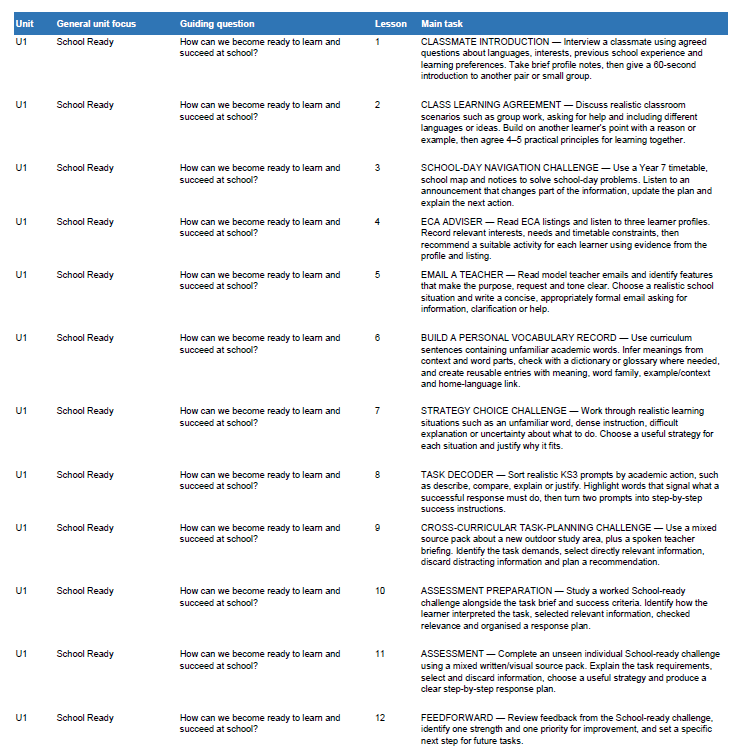
I hope you can see that – bit small. Anyhow:
- We start with some getting-to-know-you tasks and a learning agreement.
- We veer into some practical survival tasks like navigating changes, participating in school community, basic academic correspondence
- then there’s some learner training – vocab recording, understanding tasks, what to do if you don’t understand, then trying to access tasks independently
- The assessment here involves following task instructions independently, selecting relevant support, and responding appropriately.
This unit serves as an early diagnostic for learner’s understanding, use of strategies, independence, etc. Sure, you might be thinking ‘what if the learners have been at the school for a while? We’d know what they’re like with XYZ…’ Ha, have you ever been involved in a KS2 to KS3 transition? It sometimes feels like those phases are from different planets…
Mapping subskills and language
Okay, now we start to use our coverage tabs to think about which genres might be demonstrated in each lesson, which skills foci would be most relevant given the task demands, the tiered vocab that would suit the context… etc
So basically things start to look like this. First, the key input:
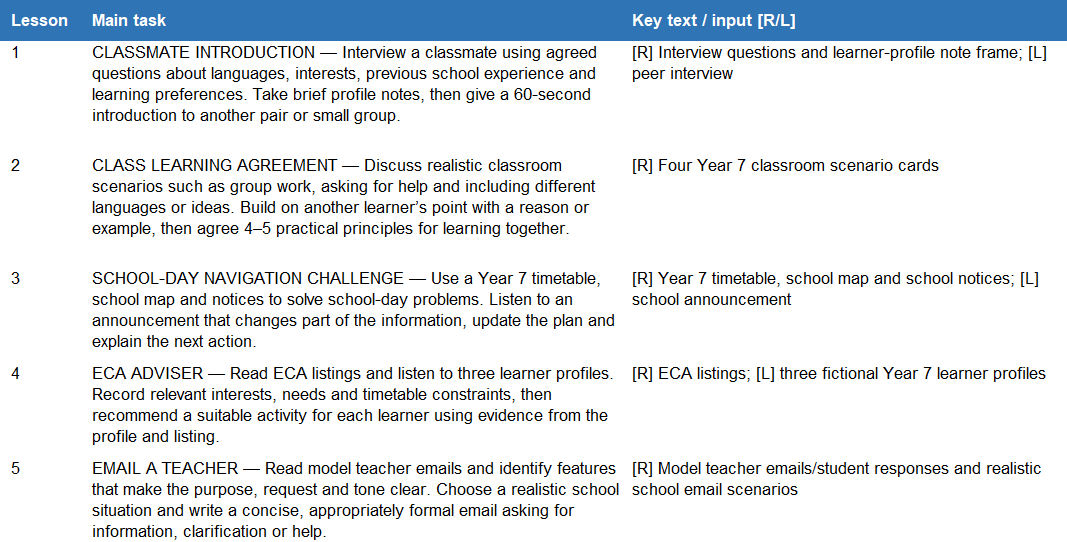
So, some of the input is purely pedagogical (classroom scenario cards). Some taps into certain social purposes (school notices/announcement – information; student response emails – clarification, etc). Sure, this intro unit isn’t giving you the best insight into the genre thing, so here’s unit 2 …
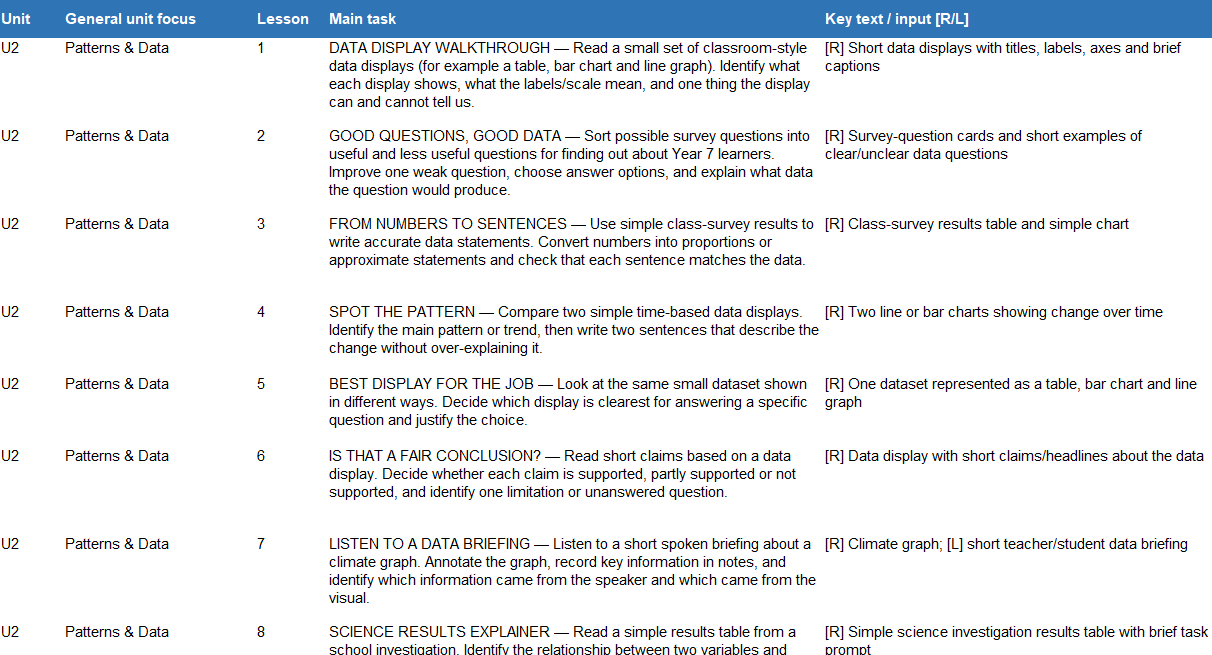
Or some of it anyway. This one is graph-heavy as fitting with the context, but veers into data briefings and data headlines. There’s data commentary, comparison, etc. I actually really like our premise for Unit 2 – I can sense some seriousness (climate change) and some ‘average attendances at BlackPink concerts’ coming into it…
Anyhow, we can ensure reading and listening input appears, and the topics are relevant to the learner’s context.
Here’s our possible core vocab and skills coverage:
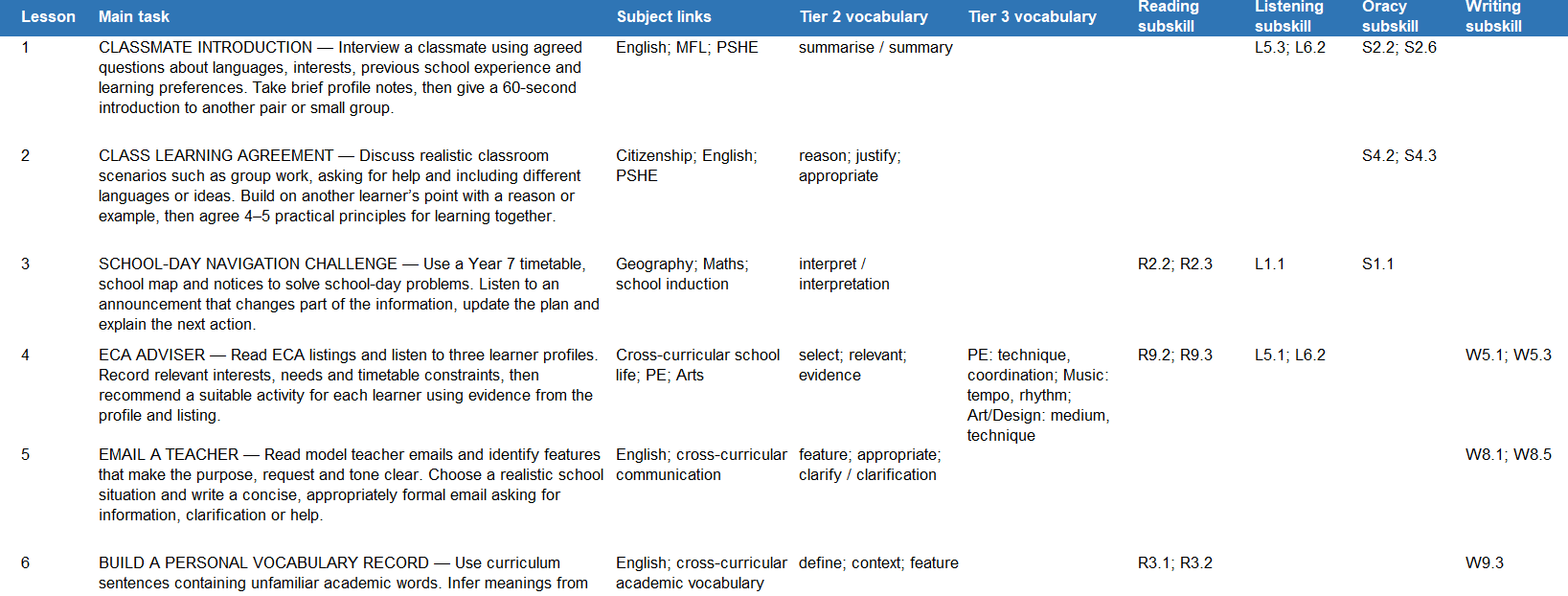
Notice, I said we only tap into Tier 3 when relevant. This is Unit 1, and the ‘Extra-curricular activities’ lesson gives us a great example of how we can add some terms in related to extra curricular clubs IF relevant. If we use authentic resources in that instance then they may not appear. We don’t need to explicitly teach these, they can be there for incidental learning opportunities.
So, two things are missing. Language functions and plurilingual competencies.
For language functions, we can map those individually based on task needs, so there is some freedom. However, it may be that teachers want ideas when planning. Or we want tangible hooks, etc. So, fine, let’s audit possibilities…
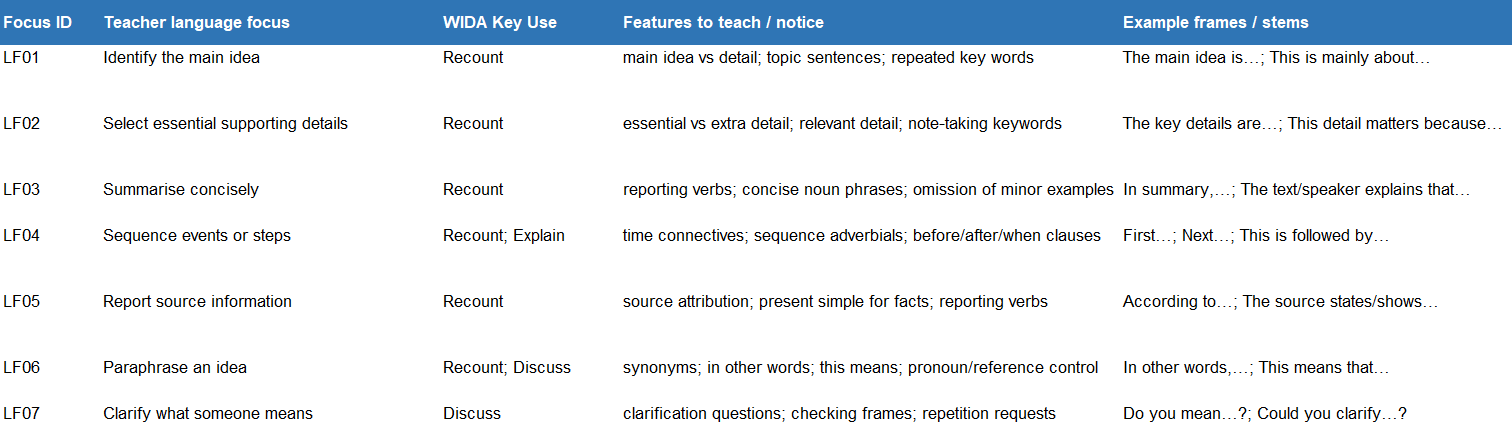
WIDA provides plenty of ideas – good old WIDA. We’ve 46 different functions popping up (Grades 6-8) with a range of possible features to teach. AI again tries to do it’s own thing with example frames, of course these aren’t totally relevant to our content so we can’t just plonk them in.
So, let’s use this as a springboard to add ONE clear language function to tap into for each task:
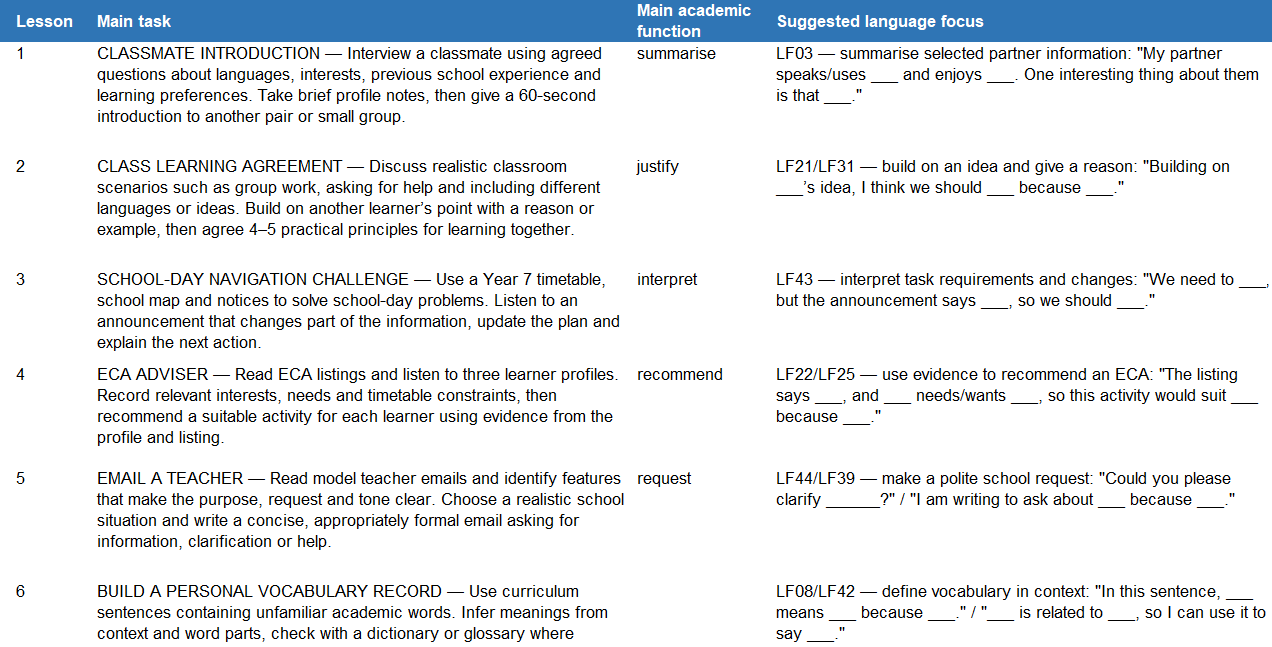
In practice, teachers will draw out much more functional focus at the planning stage – this just gives us one contextual hook.
And possible plurilingual competencies are ‘realised’ here.
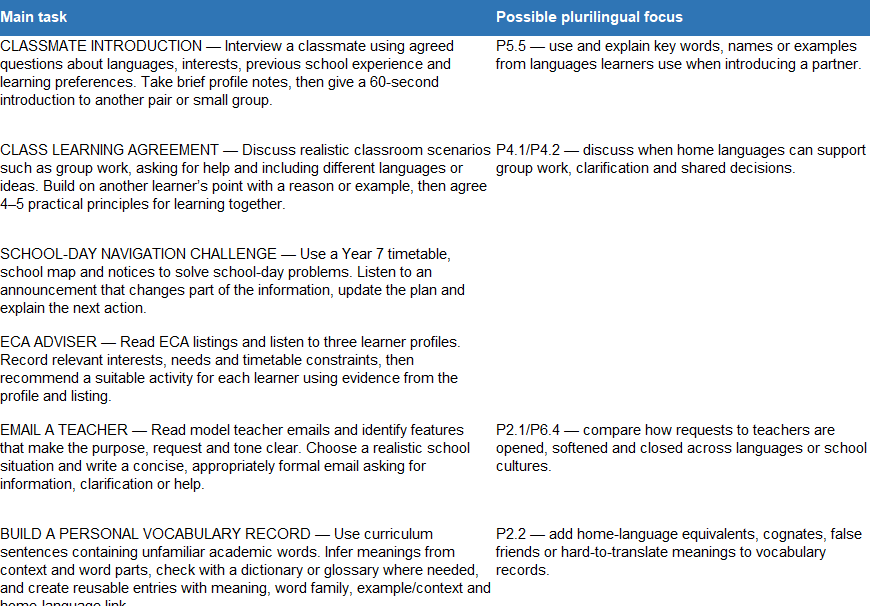
Behind the scenes quality control
So, any input into our lesson sequence tab is being tracked. This might not look great at the moment but we will have some audit phases as we work, and the info will be displayed better. What do I mean, ‘tracked’?
I’m tracking which subskills will be developed or practiced in each unit:

I’ll audit this after Unit 4 to check that we are not getting overly repetitive.
We track occurrences of Tier 3 vocab…
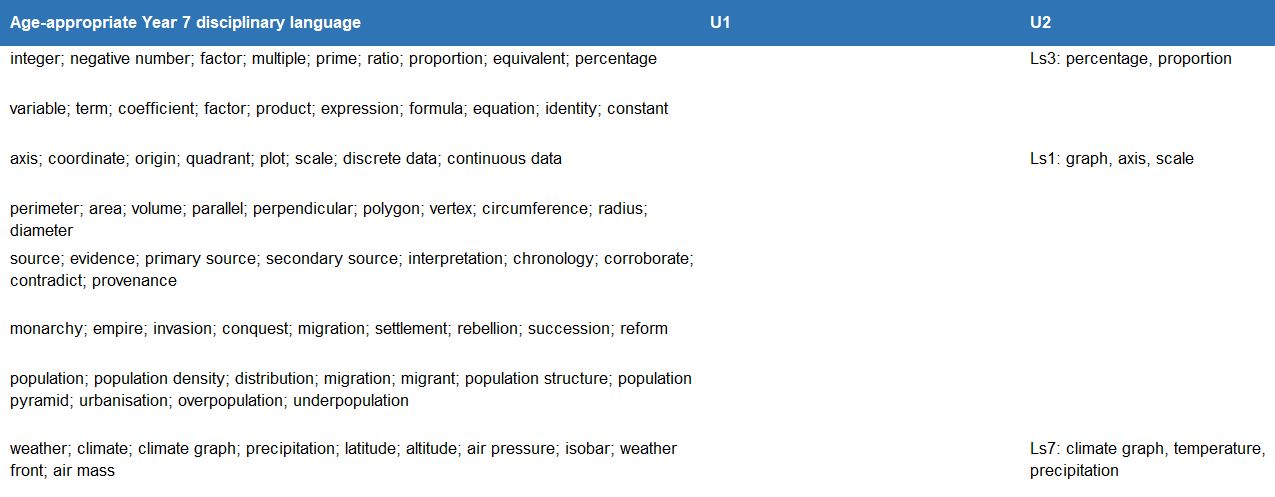
And Tier 2 families…
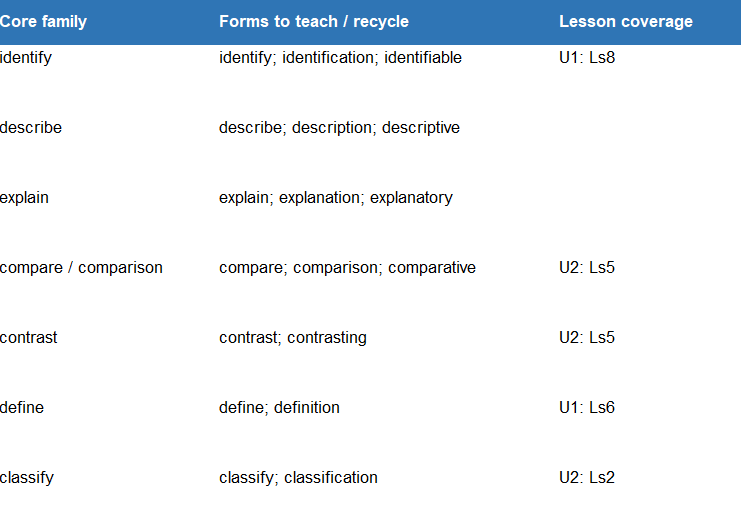
So we can confirm adequate revisits of these core academic items are taking place. Language functions occurrence tracked too, but it’s just another boring screenshot.
So, the next stage really is to:
- keep building what we are building (DON’T RUSH IT!)
- do regular quality control checks
Any thoughts, let me know!
Categories: General, materials writing, teacher development


Leave a Reply