Here’s my recent article for English Teaching Professional, March 2019. Why is LinkedIn so good for teachers, and particularly budding materials writers? Have a read…

reflections

TEFL Tiglets #2
Following on from my original post on TEFL Sniglets (Tiglets), here are a few more words that should be in our TEFL dictionaries but aren’t…

How sanitized is your coursebook?
Tut! Coursebooks with their PARSNIP policy. You’ve literally given me nothing this term – not even a shred of controversy.
Insight into a synthetic syllabus
Views are my own in this post. I teach from a synthetic syllabus at my school and the following attributes are true of it…
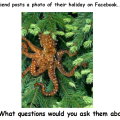
My tree octopus fake news fail
Here’s one of my favourite things to write about – things that didn’t work! This is a request for ideas from Teacher James and others.

#ObserveMe
I really like the #ObserveMe movement (see Robert Kaplinsky’s post here or the hashtag). However, I’m going to have to tweak things to make it work.

Pronunciation priorities
Uh-oh! Here comes a ‘Teacher Pete thinking something through out loud’ moment. Tut. I hate these… Mark Hancock shared a good article on LinkedIn the other day called ‘Pronunciation Teaching Post-ELF’. It’s got me thinking about my own attitudes towards… Read More ›
Evidence and (my lack of) accountability
Last ramble before I’m back to sharing lesson ideas. I’ve been re-reading Russ Mayne’s blog on evidence based ELT. I remember being quite into it in the lead up to my diploma and agreed with (what I saw as) his… Read More ›
Acoustic blur, soundshapes, speech streams
I’ve been thinking about an interaction I had in class last week. I’ve transcribed it roughly below. For a bit of context, the language point was going to for future plans, and the language had been presented through a listening…. Read More ›

Subject knowledge, jargon, learners
This is a post aimed at candidates about to take a diploma course, but is still relevant to all. It also loosely connects to Sandy’s recent post about mistakes you’ve made in class (click here).
 ELT Planning