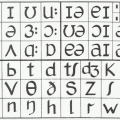
(This is a follow-up to my post on phonology-based activities. I’m sharing it now because some of our teachers are about to begin training for the Trinity DipTESOL. Phonology/pronunciation features quite a bit on that course, so I want to… Read More ›
teacher development
Integrating technology in the EFL classroom
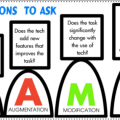
A few weeks ago I blogged about my recent experience of using edtech in class. Claudia Andrade shared an interesting response to the post: This got me thinking about my practice and my reliance on certain forms of evaluation. Looking… Read More ›
More creative displays and success criteria
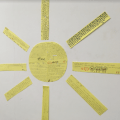
We’ve been doing a module on travel. Last week, students wrote about their most memorable trip. Here’s the latest (sunny) display. I need to mount this on some nice coloured card and frame it a bit better, but I was… Read More ›
Assessment Capable Learners in the primary classroom
In this guest post Kirsten Anne shares some great advice on encouraging self-assessment in the primary classroom. I am a primary school teacher and currently work in a year 3 classroom. My students are between 7 and 8 years of age and… Read More ›
Supporting young learners
Young learner classes at our school are mostly organised by age. This means there can be quite a range of abilities, and differentiation* is an important part of planning. I generally find that our materials can be a bit on… Read More ›
Workstations for reviews (young learners)
I saw my boss use a simple workstation activity during a peer observation. It was a really good way to prepare students for their final task. I often include a quick 10-15 minute workstation activity in my YL classes now…. Read More ›
Highlighting success criteria to young learners
This post explains simple coding you could use to help learners notice key features of a model text. I know this type of stuff is common in primary schools, so I’m not trying to reinvent the wheel. It’s just not… Read More ›
Experimenting with ‘the Inner Workbench’
Originally posted on Jamie Clayton's ELT blog:
In Meaningful Action, Underhill explains his concept of the Inner Workbench: the place in our mind where we hear and manipulate inner speech. Putting learners in touch with this place as they…
Planning tasks for young learners
To an experienced YL teacher this post is just stating the obvious. To me it’s not, because I’m new to teaching primary aged learners. I’ve got in the habit of tweaking almost every activity to try and make it fun…. Read More ›
Encouraging autonomy in teen classes
You might not need to encourage your students to take control of their learning. I do. My teens aren’t used to working independently or undertaking tasks without the teacher directing proceedings. Our current topic is health and fitness. I found… Read More ›